Movies I Watched - Japanese Fairytale August 2026
Aside from Gone With the Wind, all of these were part of the Super Saturday Movie Club, whose monthly theme this time was "Japanese Fairytales", comprising movies #33 to #37. We didn't have a 5th movie so we went with Paris, Texas.
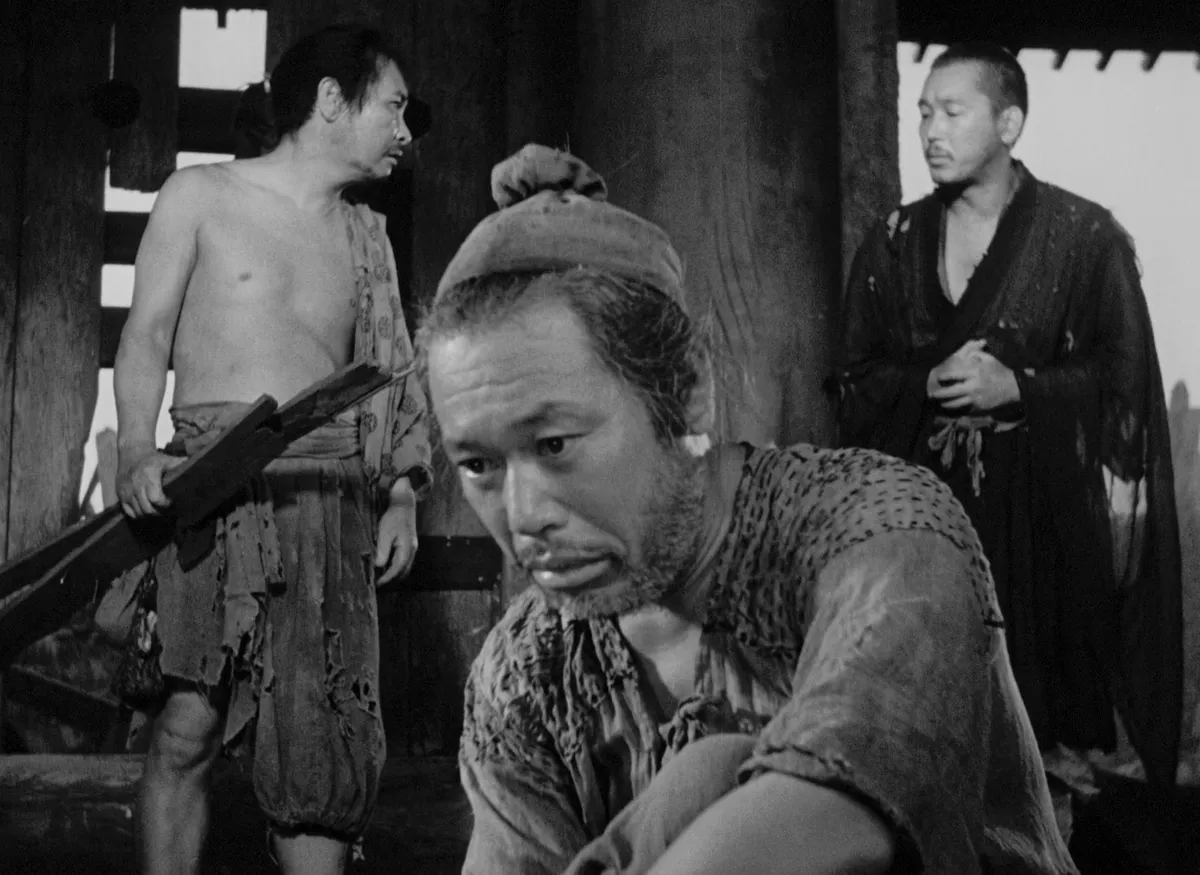
Aug 1 - Rashōmon [羅生門] (1950)
A movie I had originally watched sometime before 2020 and had been blown away by it. With my current baggage, however, I admired less the screenplay (as I already knew of the events) and more of the cinematography by Kazuo Miyagawa, who will show up in other movies here too. It hadn't occurred to me the first time I watched how hard it must have been to provide the lighting they had under a dense canopy of trees, and just in general how beautiful the movie is, although in a very understated and low-budget way. Because of its simple three sets, I think it is easy to lose sight of how good the composition and the images are. I found the ending quite touching too, a beautiful reflection on goodness. 9/10.
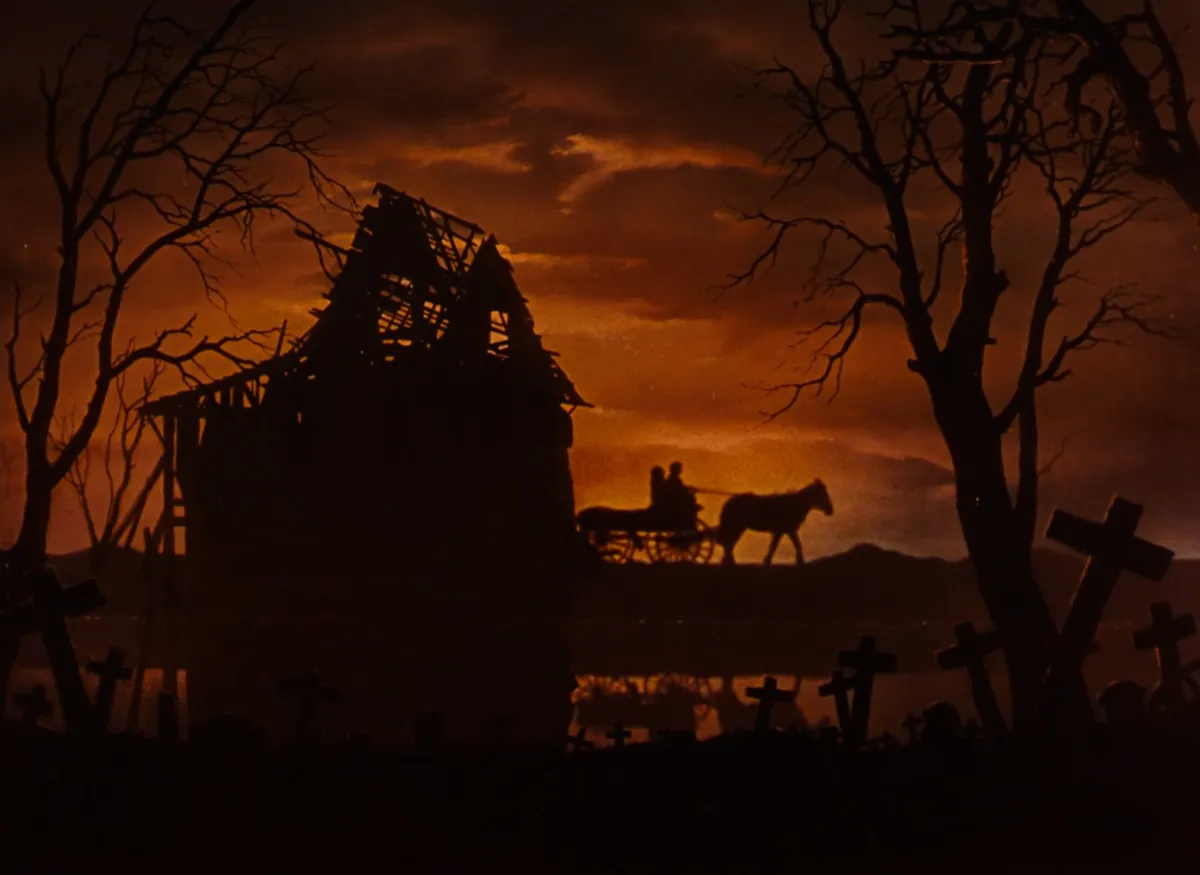
Aug 1 - Gone With the Wind (1939)
A titanic endeavour of a movie, and perhaps one of the most American things to be put to screen. It is big, brash, operatic, and like anything the damned Yanks touch, virulently racist, with a healthy dollop of sexism to boot. Nevertheless, I wasn't prepared for how stylised the visuals in this are, how witty the dialogue can be, and how strong the themes. It is a story, ultimately, of aristocratic survival, a movie which comes of age partway through and then discusses loss, one of those movies which attempt to comprise the entirety of the human experience within its bounds. And the fact basically every single person watching it would remember not the ravages of the American Civil War, but the poverty and hardship of the Great Depression really lends to it another tone. After all, Antebellum Dixie here isn't just a place, it's youth, a stand-in for childhood and innocence, and how many young Americans in '39 wouldn't relate to that? If only it didn't start flagging after the halfway point, it could have been a masterpiece. 9/10.
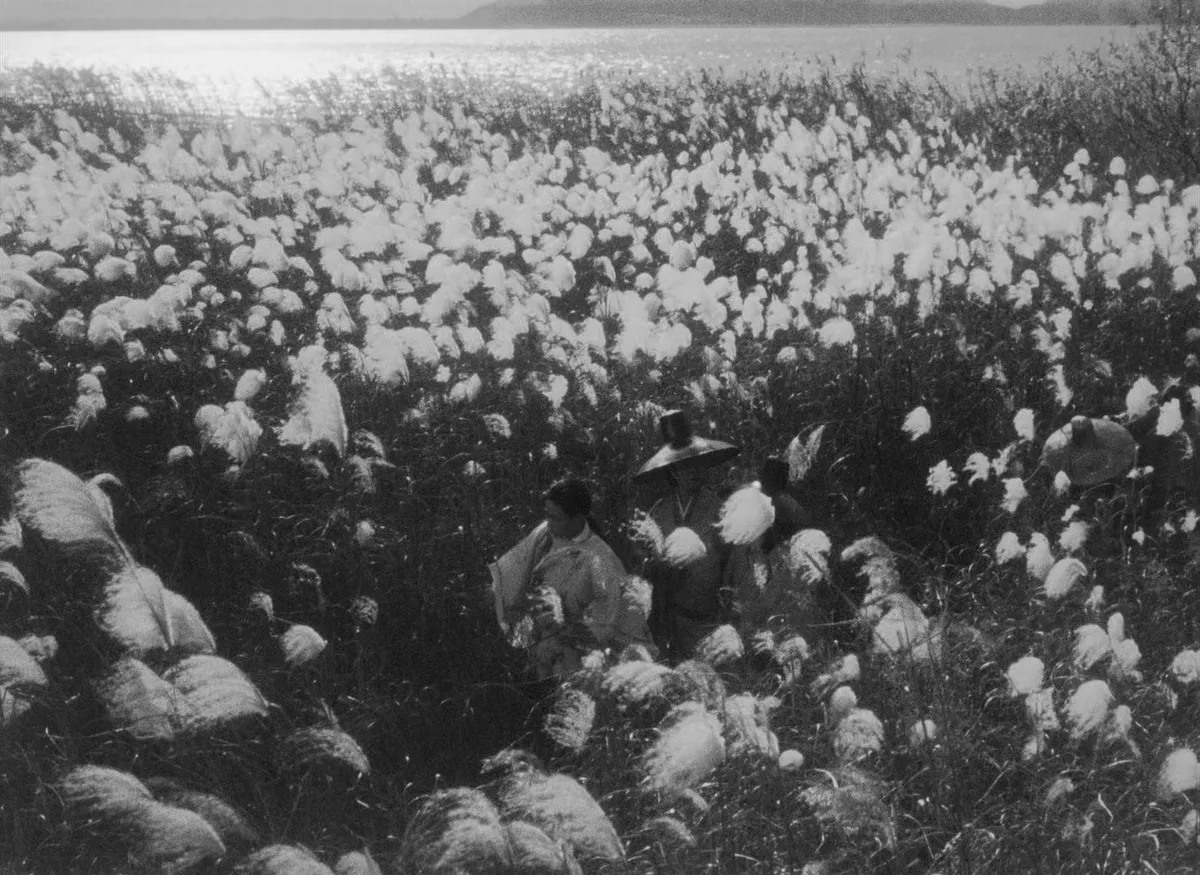
Aug 8 - Sanshō the Bailiff [山椒大夫] (1954)
A bewildering movie for me, because on paper I cannot fault it. It is a formal masterpiece, once again Kazuo Miyagawa's cinematography consistently shows beautiful images, the story itself - a simple yet well-told parable of a young man trying to live up to his father's ethos in a world that has no place for it - should tug directly at my heartstrings... and yet it didn't. I was cold throughout. A fine movie, no doubt about that, but completely beffudling to me as to why anyone would rank it as one of the best movies ever. 7/10.
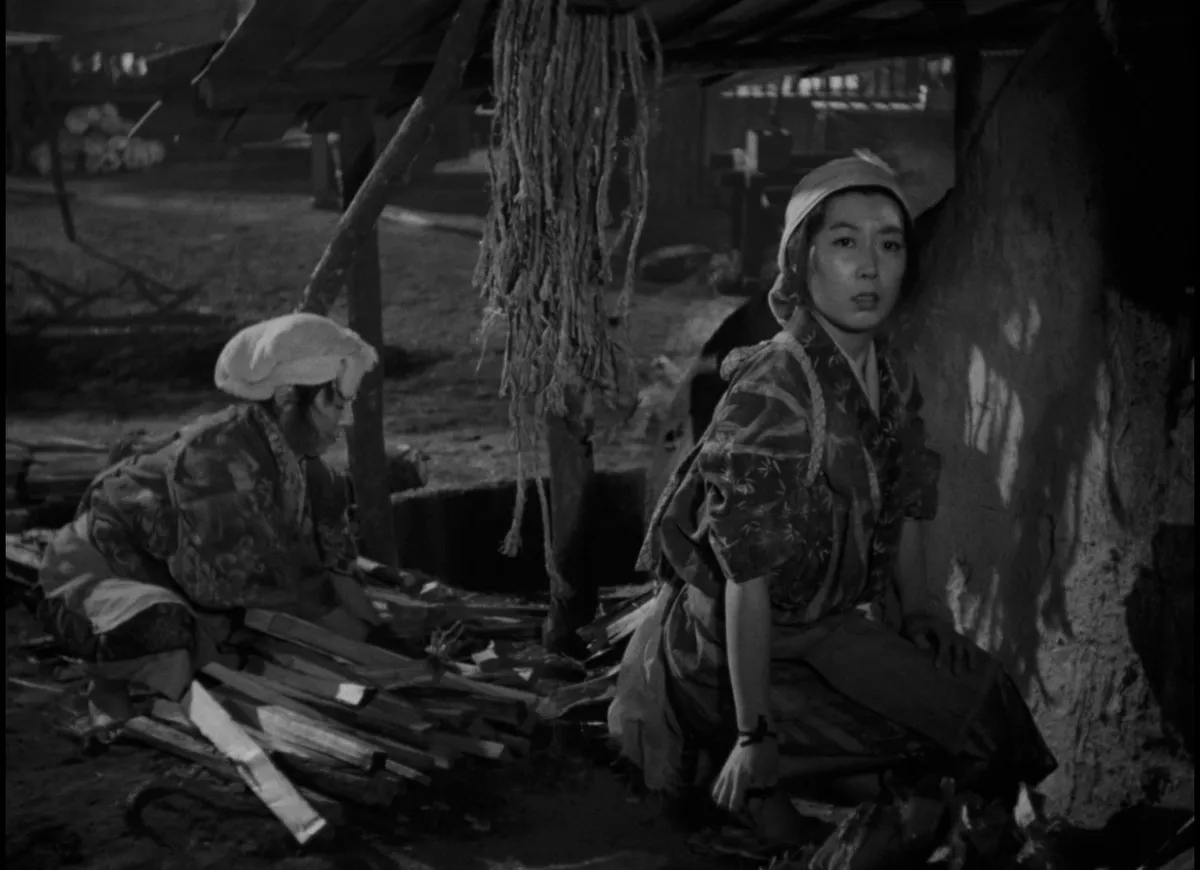
Aug 15 - Ugetsu Monogatari [雨月物語] (1953)
After watching Ugetsu, I think I got some insight on why Sanshō the Bailiff did not work for me. It became very readily apparent where the movie was going for me, and so I focused more on the images and the screenplay. I am rankled by Kenji Mizoguchi's and screenwriters Matsutarō Kawaguchi and Yoshikata Yoda's relentless and obvious moralising. While the movie purports to wear many hats - it is a ghost story, a war story, and a morality tale all wrapped with the same bow - none of these individual aspects surpass its peers and descendants meaningfully; the ghost story isn't as thrilling and haunting as Onibaba, the war story doesn't rise up to the emotional complexity of Kagemusha, and the morality tale isn't as extensive and stylised as Kwaidan.
Ultimately, I believe my issue with Ugetsu is the same as my issue with Sanshō the Bailiff, which I can only summarise as it feeling to me like a filmmaker's film - a movie bound to be appreciated more by those interested in the craft of filmmaking than any other general audiences - because it is obviously educational as to what Japanese cinema was in the 50's and would become in the 60's (given all of the movies I mentioned clearly draw inspiration from it), but I am neither of those things and therefore it can't rise above "good" to me. 7/10.
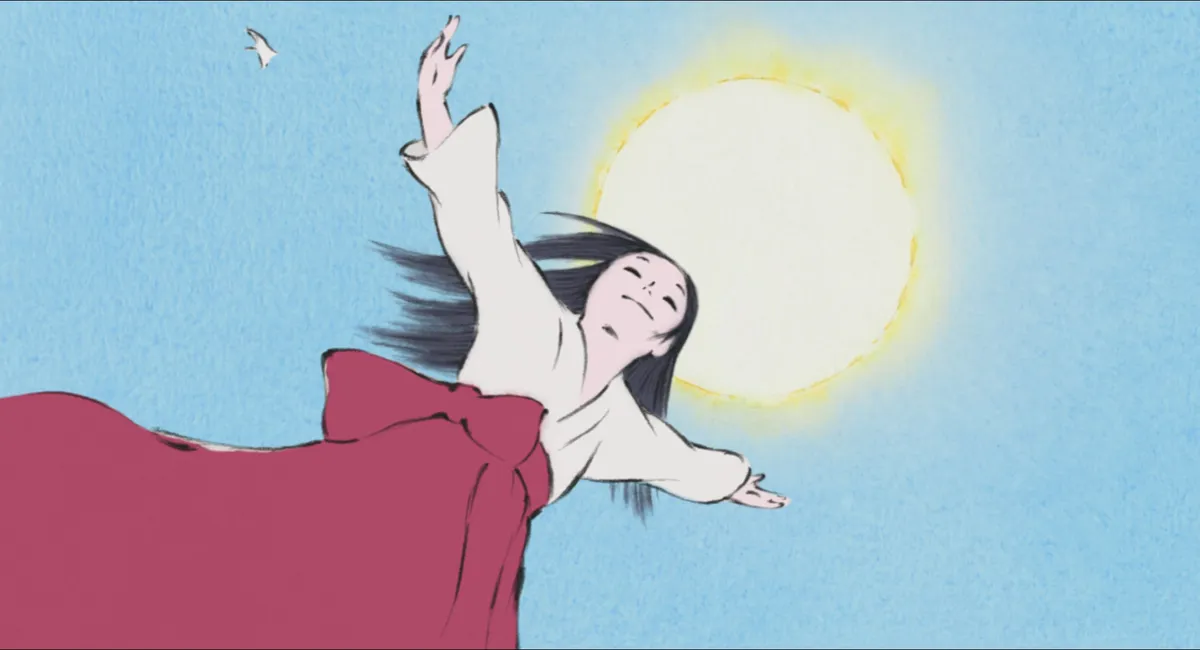
Aug 22 - The Tale of Princess Kaguya [かぐや姫の物語] (2013)1
My third viewing, watched for the first time somewhere around 2019, then another on April 19, 2025. It is quite funny and perhaps a smidge immature of me to shower praise on Kaguya-hime, an animated movie for all ages, after saying what I said about two movies made for adults, but I am of the opinion that Kaguya-hime is another one of those movies which seeks to comprise the length and breadth of the human experience within its bounds.
There is no movie like this. I can't help but thinking about the 78 year old director and screenwriter Isao Takahata when watching this, shoulders hunched from working in animation for a little over half a century, what did he mean by making his last directed movie a cry of life over death? A stout refutation of the Buddhist doctrine that this is a world of pain and suffering. This elderly man whose childhood from ages 5 to 10 was devoured by World War 2, a mere five years before death, decided to tell a story of a young girl who grew too fast, perhaps far too fast, but never forgot what it was like to live life. I imagine what he thought when he looked over the storyboards, if there was a memory from long ago in there; a bumblebee climbing within a red chrysantemum, a bird landing on a dry tree in winter, the setting sun dappled through the tall leaves of a bamboo grove.
It isn't necessary to think too hard on what the director wanted or notfor there to be in the movie, because it is readily apparent. The dragon within it is the scariest and most majestic I've ever seen and it only appears for a handful of seconds, the experience of flying through the sky as a memory or a dream (is there a difference in this movie?) is captured perfectly. It contains the titanic beauty of staring over the ocean at night or at a beautiful mountain through which spring greens, and also the tiny beauty such as the glimmer in a child's eye after playing a prank, or a fat insect stubbornly failing to climb a blade of grass. There is no other animated movie I've watched which paid this much attention to faces, stretching and exaggerating them like Noh masks, or as simple as two dots and a line.
Throughout the movie, a song is sung, a nursery rhyme about the cycle of life, yet the titular Princess Kaguya adds a line: "Teach me how to feel / If I hear that you pine for me / I will return to you." It's as if the movie itself chants and begs for Kaguya-hime to stay, to come back. And we keep pining because we know she will; "Un jour je serai de retour près de toi."
Aug 22 - Paris, Texas (1984)
A strikingly beautiful movie which I had first watched on Wednesday, November 2, 2022, and decided to rewatch so as to make sure my 22 year old self wasn't insane for not having liked this very much. It was followed by a long discussion with folks whose blogs you probably know on whether the movie was an edification of this wild cowboy and the one noble act he did, or a complex portrait of boundless empathy of a cowardly abuser; a tragedy about how we can still love the ones that hurt us the most.
Having read interviews with the director, I remain unconvinced that this is intended as anything other than a classic weepie about how the guy has done some bad things but comes off as ultimately heroic in the end for "doing what needs to be done", sacrificing his own happiness because he's just too wild, man. A modern day Tom Doniphon with a face as sculpted as the American Frontier. Really makes ya think...
But I can see the other interpretation. It's 2026, the author has been dead for decades, who gives a fuck if the movie is jacking itself off Americana style, just watch it and take your own conclusions. The problem being that even under that prism, watching it with someone who likes this movie, and determined to have a good time, it simply does not reach me emotionally. There is nothing that grabs me here, even though the acting is really good. We mosey with this guy for half the movie and I feel no connection to him or the story at large, nor to his sexualised wife and victim, nor to his 9 year old actor child which the movie is very unconvincingly trying to pass for a 5 year old. There is beauty in its sets and skill in its acting, but that's about it for me with this thing, I remain ambivalent over it. 5/10.
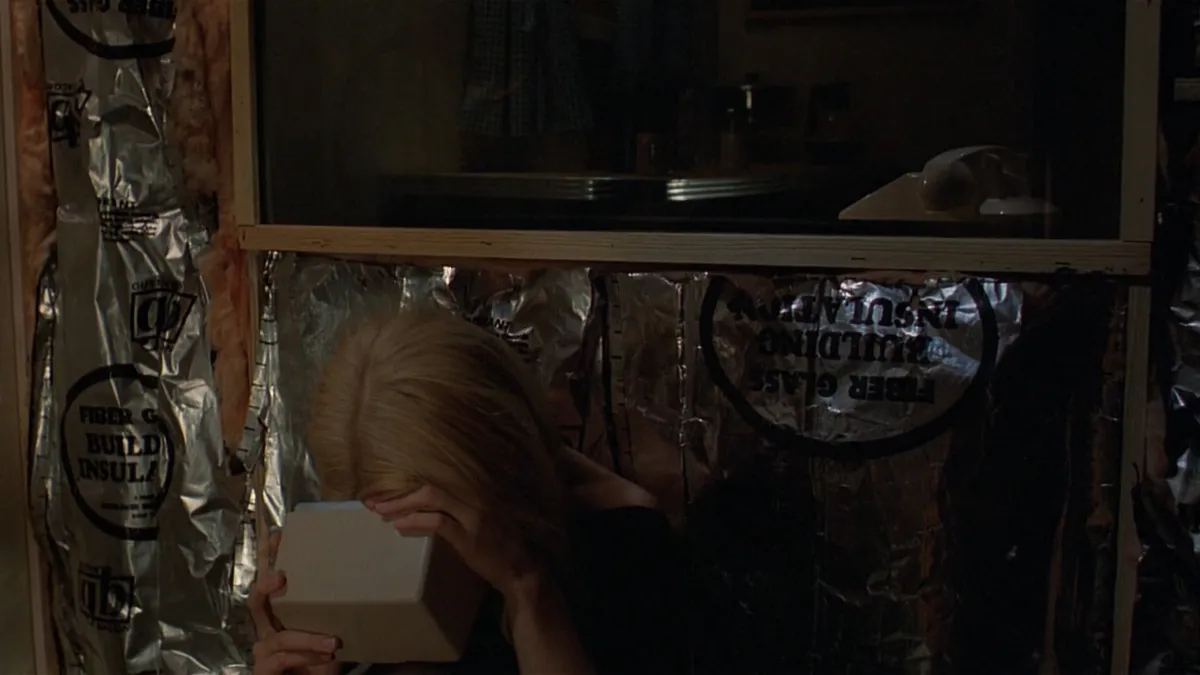
Please appreciate how hard it was to pick a single frame out of the 235 I saved to illustrate this movie. If you must know, I saved 23 shots from Rashomon, 47 from Gone With the Wind, 23 from Sansho the Bailiff, 17 from Ugetsu, and 34 from Paris, Texas.↩